Highlights
- California has started treating smoke contamination as a serious form of wildfire damage, even for buildings that never caught fire.
- Smoke can carry soot, ash, and chemical residues deep into walls, ceilings, ductwork, and furnishings.
- New California legislation creates a framework for testing and restoring qualifying smoke-damaged homes.
- Business owners face many of the same contamination risks, along with added pressure to reopen safely and quickly.
- Professional assessment, appropriate testing, and cleaning help guide decisions about returning to a property.
- Trident Restoration helps property owners in Hemet, Riverside, Temecula, and across the Inland Empire recover from fire and smoke damage.
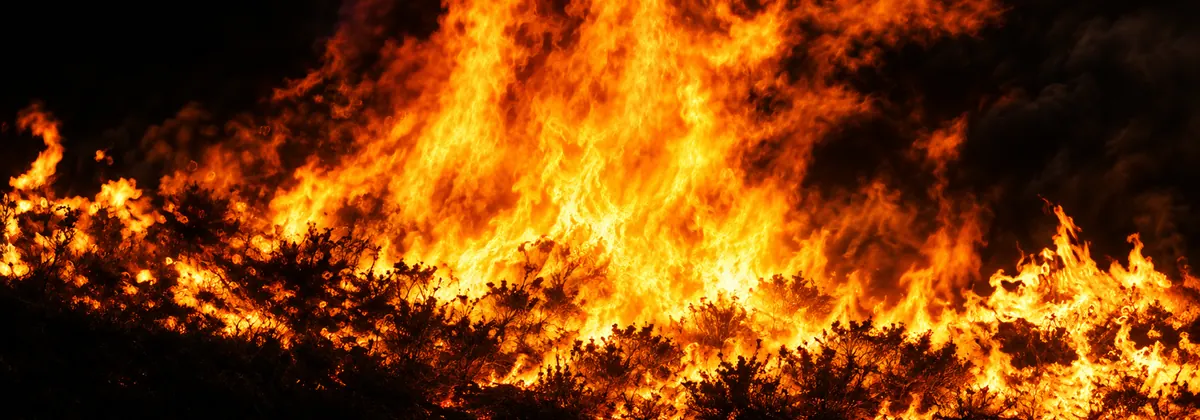
Recent California wildfires have drawn attention to buildings that remain standing but contain smoke and ash residue. Owners may face lingering odors, hidden contamination, and difficult decisions about cleanup even when the structure never caught fire.
Smoke and ash can travel for miles, settling into insulation, air ducts, carpets, and porous surfaces. The residue may contain heavy metals and other harmful compounds, and it can keep releasing odors and particles long after the fire is out. For businesses, that means employees, customers, and inventory can be exposed even when the damage looks minor. Offices, restaurants, retail stores, and warehouses can all hold onto smoke residue in ways that affect daily operations, which is why more owners are turning to commercial fire and smoke damage restoration after nearby wildfires.
At Trident Restoration, we are a family-owned and IICRC-certified restoration company based in Hemet, California, with more than 25 years of experience helping property owners recover from fire, smoke, water, and mold damage. Our team offers 24/7 emergency service and works directly with all insurance companies. For owners who need commercial fire and smoke damage restoration, our team can discuss the assessment, cleaning, and repair needs of the affected property. Any specialized environmental testing should be scoped with an appropriately qualified professional.
Below, we explain why California is paying closer attention to smoke contamination, how the new legislation relates to property owners, and how to protect your building after a wildfire. We also cover the water damage that often follows a fire and the first steps to take once it is safe to return. With this information, you can make clearer decisions about cleanup, insurance, and reopening.
Recognizing How Smoke Spreads Through a Building
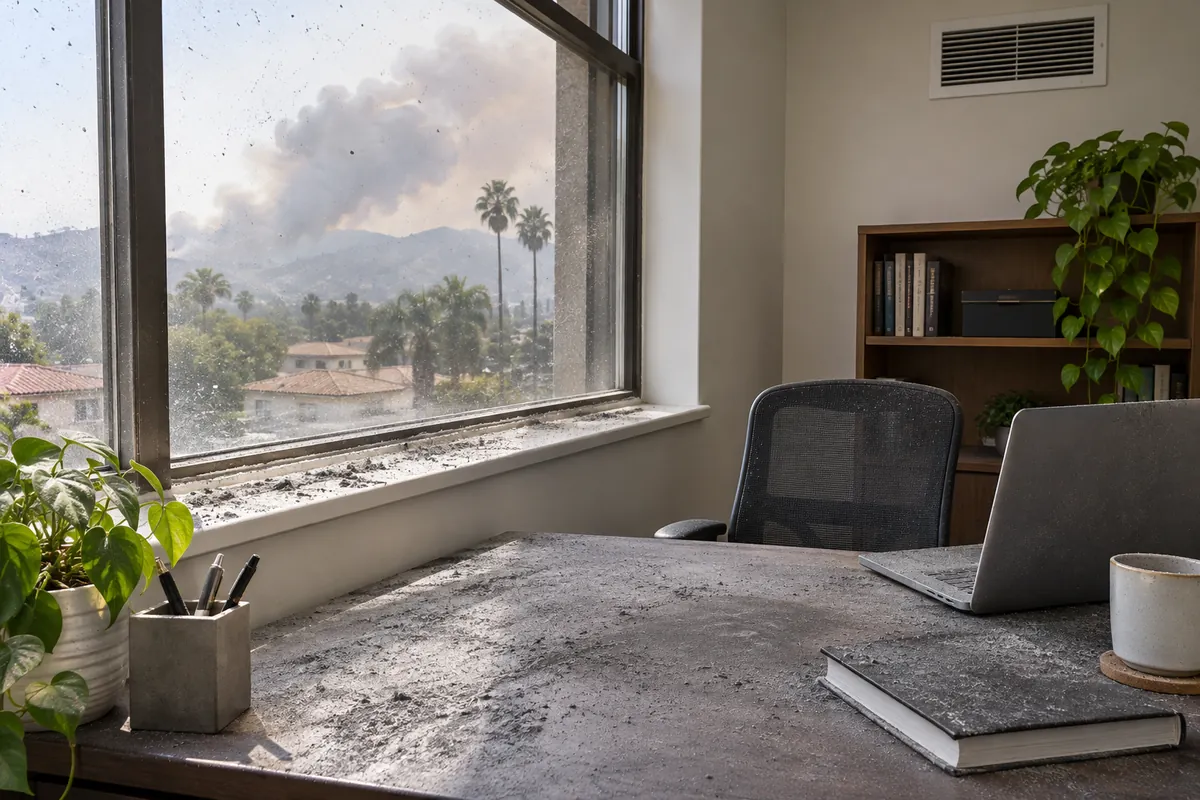
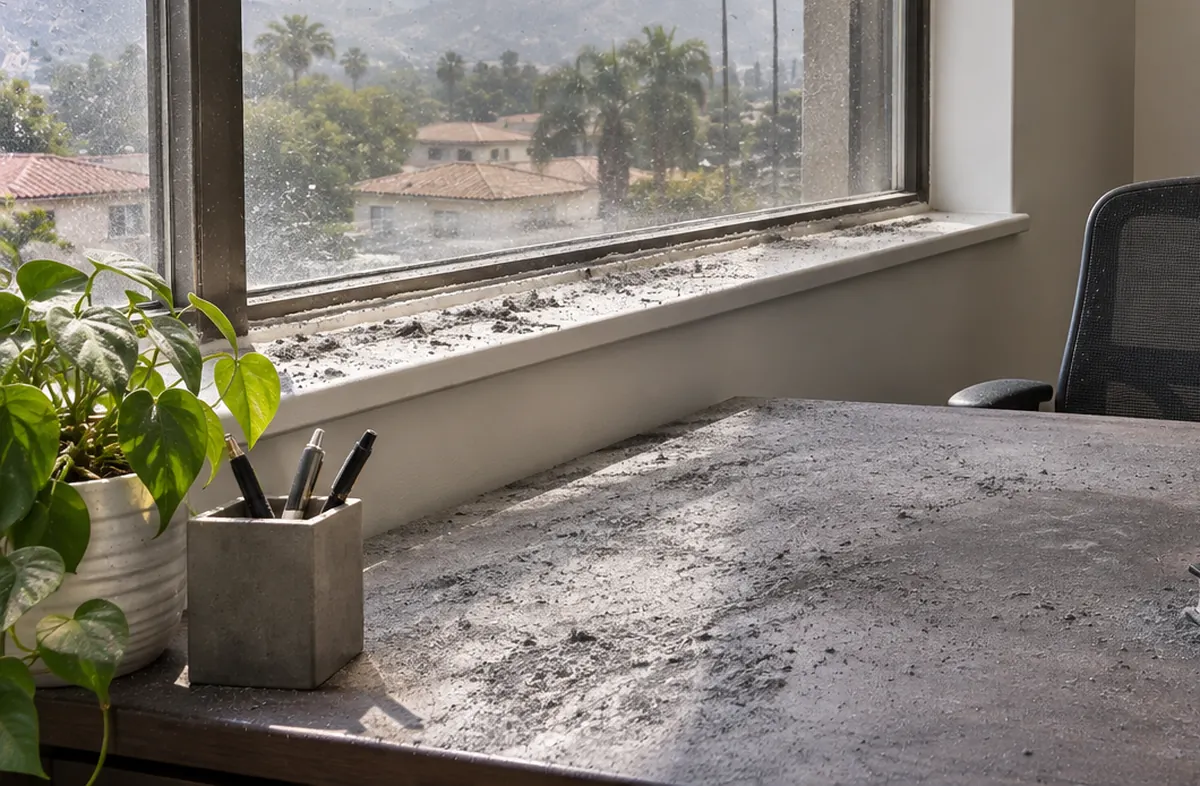
Wildfire smoke does not stay outside. It enters through doors, windows, vents, and small gaps in the building envelope, and HVAC systems can pull it into every room. Once inside, fine particles settle on surfaces and work their way into fabrics, ceiling tiles, and insulation.
This kind of contamination is often hard to see. A room may look clean while residue sits inside wall cavities or ductwork. That hidden residue is one reason commercial fire and smoke damage restoration requires more than surface cleaning.
Understanding the Health Concerns Behind New Rules
Smoke from wildfires that burn homes, vehicles, and businesses is different from smoke produced by burning vegetation alone. It can carry residues from plastics, metals, and building materials. Smoke and ash can irritate the eyes, skin, and respiratory system. The EPA advises children, older adults, and people with heart or lung conditions to avoid ash cleanup work.
Because of these concerns, California’s response places more emphasis on evidence when assessing smoke contamination. Testing helps identify which areas need deeper cleaning and which materials should be removed entirely. For business owners, this approach also helps protect employees and customers once the doors reopen.
Tracking the Rise in Smoke Damage Claims
The scale of recent wildfires made the problem impossible to ignore. According to the California Department of Insurance, more than 13,000 insurance claims filed after the January 2025 Eaton and Palisades Fires involved standing homes with smoke damage. Many of those owners struggled to get testing approved or to agree with insurers on what a full cleanup should include.
Those disputes led the state to form a Smoke Claims and Remediation Task Force last year. The task force gathered input from survivors, scientists, and industry experts to develop clearer standards for assessing and cleaning smoke damage. Its work became the foundation for new legislation.
Explaining What the Smoke Damage Recovery Act Changes
California signed the Smoke Damage Recovery Act, AB 1795, in September 2026 as part of a broader wildfire recovery package. The legislation addresses qualifying residential smoke damage claims and establishes a framework for testing, remediation, and restoration. Its requirements depend on the claim, applicable dates, and agency guidance. Property owners should check current guidance and their policy before assuming a particular test or cleanup expense is covered.
While the law focuses on homes, it signals a broader shift in how California views smoke contamination. State leaders have also called for recommendations to protect businesses and communities affected by future contamination events. Business owners should review commercial coverage separately; protections for residential claims should not be assumed to apply to a business policy.
Preparing for Water Damage After the Fire
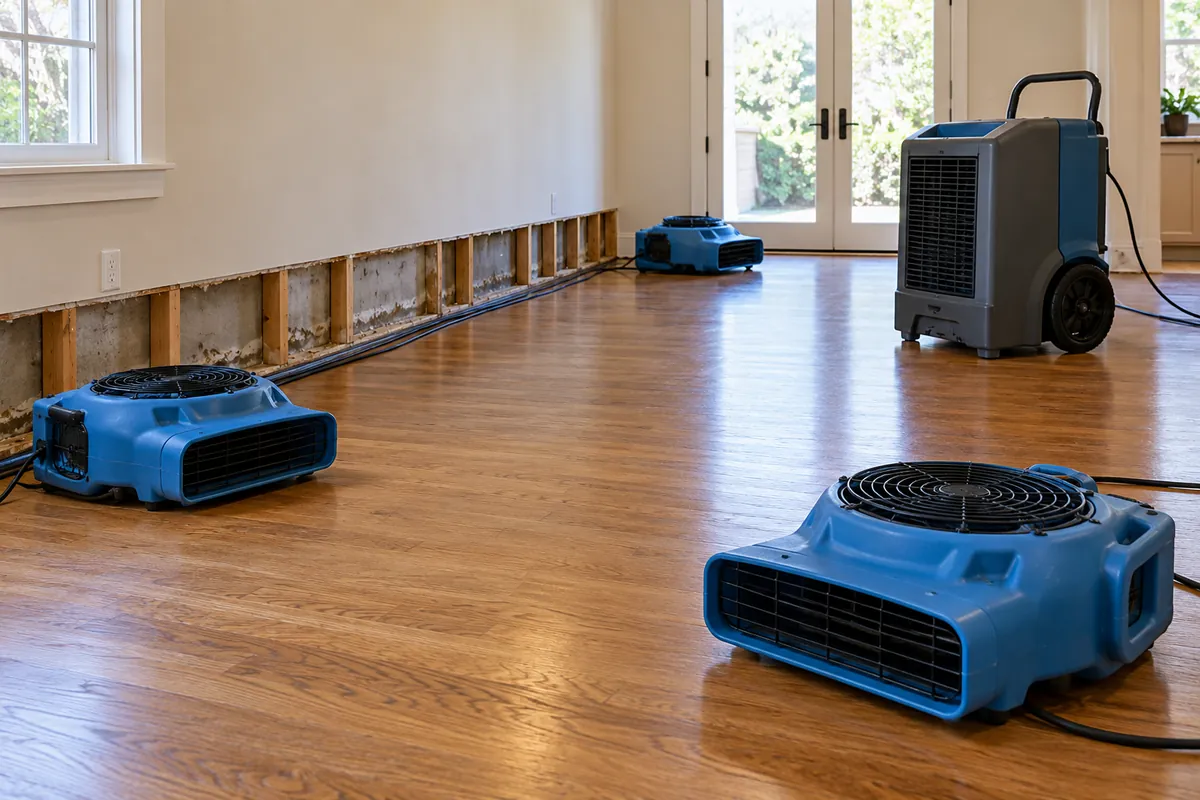
Smoke is rarely the only problem after a wildfire. Firefighting efforts can soak a building, and burned hillsides are more prone to runoff and mudflows when rain arrives.
When water mixes with soot and ash, it can spread contamination and create conditions for mold growth. Addressing smoke and water damage together helps prevent a second round of repairs. Our team handles fire, smoke, water, and mold restoration, and can discuss how those services fit the recovery plan.
Protecting Your Property After a Wildfire
If a wildfire affects your area, wait until local officials say it is safe to return before entering your building. Document visible damage with photos, avoid running the HVAC system until it has been inspected, and contact your insurance company as soon as possible. Simple steps like these help protect both your health and your claim.
Next, schedule a professional assessment rather than attempting a full cleanup on your own. Trained technicians can identify hidden contamination, recommend testing, and remove materials that cannot be restored. Prompt commercial fire and smoke damage restoration also helps your business reopen sooner and with greater confidence.
Getting Expert Help With Trident Restoration
California's growing focus on smoke contamination reflects what many property owners have learned firsthand: a building that survives a wildfire is not always safe to use. Assessment, appropriate testing, thorough cleaning, and careful repairs help protect the people who live and work inside. The right restoration partner can guide you through each step.
Our team offers honest quotes, clear timelines, and direct communication with your insurance company. Contact Trident Restoration today at (951) 451-1795 to schedule an assessment and learn how our commercial fire and smoke damage restoration services can help your property in Hemet, Riverside, Temecula, or anywhere in the Inland Empire.
For practical ash precautions, review the EPA’s wildfire and indoor air quality guidance. A cleanup plan should account for the materials affected and the exposure risks at the property.
Frequently Asked Questions
Can wildfire smoke damage a building that did not burn?
Yes, smoke and ash can enter a building through vents, gaps, and HVAC systems and settle into surfaces, insulation, and ductwork. This residue can cause lingering odors and health concerns even when the structure looks undamaged.
Does California law require testing for smoke damage?
California’s 2026 legislation addresses testing and restoration for qualifying residential smoke damage claims. Applicable dates, agency guidance, and policy terms matter. Business owners should review their commercial policies separately and ask qualified professionals what testing is appropriate for their property.
Why choose Trident Restoration for commercial fire and smoke damage restoration?
Trident Restoration is a family-owned, IICRC-certified company with more than 25 years of experience serving Hemet and the Inland Empire. We offer 24/7 emergency service, work directly with all insurance companies, and handle fire, smoke, water, and mold damage under one roof.
24/7 Emergency Service
Need help after fire or smoke damage?
Contact Trident Restoration to discuss your property in Hemet, Riverside, Temecula, or the Inland Empire.
Call (951) 451-1795Contact our team →